Introduction: As DDoS and high-traffic attacks become more frequent, websites and services are increasingly relying on high-security servers in the United States. This article analyzes the actual performance of high-defense servers in the United States when dealing with large-scale traffic attacks, exploring their architectural advantages and common bottlenecks, with the aim of providing actionable recommendations for operations and security teams.
U.S.-based high-security servers typically employ a multi-layered protection architecture, including edge filtering, traffic scrubbing, and application layer protection. Such architectures emphasize scalable bandwidth and strategic filtering, enabling reduced risk of service disruption during large-scale traffic surges through hierarchical handling, thereby enhancing overall defense capabilities.
Key capabilities include scalable bandwidth, real-time traffic analysis, and efficient cleaning strategies. The configuration of high-defense servers in the United States directly affects their ability to handle peak traffic. Proper routing and blocklist/allowlist mechanisms can significantly improve the accuracy of detections while reducing false positives.
Bandwidth resources and cleaning capacity determine the peak traffic that can be handled. A high-quality cleaning pipeline can discard invalid traffic at the edge while retaining legitimate sessions, reducing the load on the origin server. The cleaning strategy for high-security servers in the United States must balance latency, integrity, and false positive rates.
Distributed protection reduces single-point stress and improves availability by using multiple access points and global nodes to share traffic. If U.S.-based high-security servers are integrated with global CDNs and backbone networks, they can distribute risks at both geographic and network levels, thereby improving stability and recovery speed in the face of large-scale attacks.
In real-world scenarios, the performance of U.S.-based high-defense servers against persistent and sudden traffic attacks depends on their preconfiguration and automated response capabilities. Effective traffic identification and routing strategies can ensure the availability of core services, while insufficient strategies may lead to temporary packet loss or service instability.
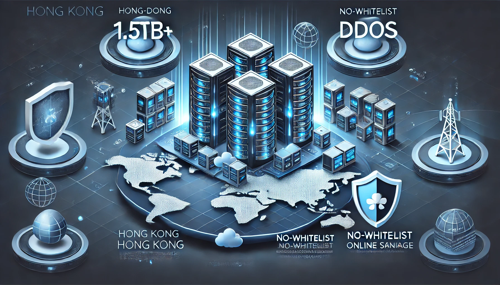
Proactive detection, threshold-based alerts, and automated mitigation are key response steps. By combining behavioral analysis with frequency thresholds, malicious traffic can be quickly identified. Together with traffic blackholes, rate limiting, and hierarchical filtering, the impact of attacks can be minimized in the shortest possible time, ensuring a good user experience.
Summary: The performance of U.S.-based high-defense servers in handling large-scale traffic attacks depends on bandwidth elasticity, cleaning efficiency, and distributed protection capabilities. It is recommended to conduct regular stress tests, optimize cleaning rules, deploy multi-point redundancy, and establish automated detection and response mechanisms to achieve optimal protection against real attacks.
- Latest articles
- Optimized Storage Costs For Hong Kong Hosted Servers, Hard Disk Servers, Layered Storage, And Cold Archiving Solutions
- Are Tencent Cloud Korean Servers Native? Recommendations For Local Service Provider Integration And Latency Optimization
- The Enterprise Migration Guide Teaches You How To Apply For US Dual-line Server Hosting To Ensure Compliance
- How Does AWS Cloud Server In Japan Charge? Bill Analysis And Fee Alert Settings
- Beginner's Guide: Which Hong Kong Site Cluster Servers Are Best To Use? Choose Based On Your Business Scale
- A Detailed Explanation Of US High-defense Servers Involves Latency, Bandwidth, Cleaning Capability, And SLA Comparison
- A Summary Of Common Questions About Hong Kong VPS Access In The US And A Guide To Optimal Connection Configurations
- Korean CN2 Network Cloud Service Product Selection Guide Performance, Security, And Scalability Evaluation
- Developer Manual: Best Practices For Network And Security In Configuring Linode Japanese Native IP
- Where Can I Buy A Vietnam Cloud Server? Hands-on Tutorial From Registration To Activation
- Popular tags
-

Compliance Strategy Shared By Amazon Us Review-free Group From The Perspective Of Law And Platform Policy
from the dual perspectives of law and platform policy, this article analyzes the compliance risks and feasible countermeasures faced by the amazon us site’s review-free group (review-free and mutual review), and provides suggestions for risk identification, alternative growth methods, monitoring and dispute resolution. -
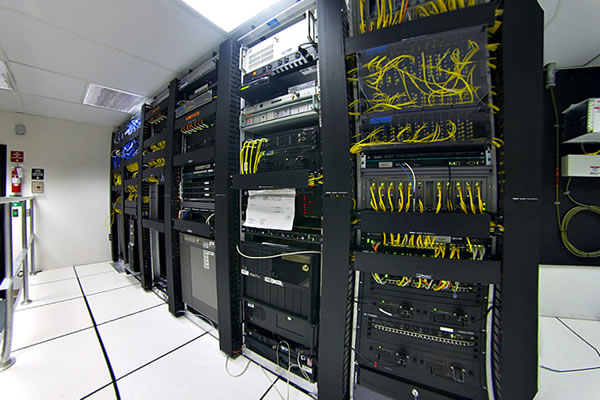
Guide To The Customization Service Process And Delivery Cycle Of Us High-defense Servers Under Customized Needs
this article is "a guide to the customization service process and delivery cycle of u.s. high-defense servers under customized requirements". it systematically introduces the key steps from demand assessment to delivery acceptance, factors affecting the delivery cycle, and acceleration strategies. it is suitable for project parties and operation and maintenance teams seeking u.s. high-defense server customization services. -

Analysis Of The Impact Of The Us Doomsday Server Kicking Controversy On Platform Trust And User Retention
analyze the short-term and long-term impact of the doomsday server kicking controversy on platform trust and user retention, and propose improvements at the operational, technical and compliance levels to help decision-makers formulate quantifiable repair plans.